
| S.N | Mode | Route | Elev.(m) | Duration | Overnight | Included |
|---|---|---|---|---|---|---|
| 1 | Flight | Arrival Kathmandu Tribhuvan Int'l Airport - Tranfer Hotel | 1300 | Hotel | Dinner | |
| 2 | Tour | Pashupatinath-Bouddhanath-Sowyambhunath-Kathmandu Durbar Square | Hotel | Breakfast | ||
| 3 | Tour | Mount Everest Flight - Patan Durbar Square - Bhaktapur Durbar Square | Hotel | Breakfast | ||
| 4 | Drive/Tour | Bhaktapure Durbar Square - Pirthivi Highway - Chitwan National Park | 5/6 Hours | Hotel | Breakfast-Lunch-Dinner | |
| 5 | Safari/Tour | Jungle Safari - Elephant Breeding Center - Tharu Village Tour | Hotel | Breakfast-Lunch-Dinner | ||
| 6 | Tour/Drive | Chitwan National Park - Pirthivi High-Way - Lumbini Buddha Birth Place | Hotel | Breakfast |
Nepal is a melting pot of diverse religion ((Hinduism, Buddhism, Christianity, Kirati, Islam, Jainism and Bon) and diverse ethnic groups. The latest census shows that there are over 103 ethnic groups in the country. Many religions and diverse socio-ethnic groups have co-existed through the ages. The most interesting thing is, many Hindu idols are found within Buddhist Shrines, so as of Kirantis and so on. Similarly, the Hindus visit Buddhist shrines and Buddhists visit Hindu temples so as the Kinrantis without a second thought as many worships in all the shrines. From east to the west or from north to the south, you find diverse and unique culture and rituals. Since Nepal is rich in the culture, socio-ethnic groups, many travel writers have lauded Nepal to be melting pot of the diverse culture, religion, language and ethnicity, the land of mysticism and exoticism, the country of non-stop festivals among others–these are the explicit and self-explanatory on a sort of culture of Nepal.
Nepal is tiny but you can find amazing due to its cultural and geographical variations. One of the features about Nepal is that there is unity in diversity, although there is diverse language, culture, religion; customs, tradition and strong belief on own faith. There are numerous social and cultural beliefs, rituals and customs among these different ethnic groups in Nepal. Similarly, the way of celebration, observing of the culture or festivals, the way of wearing things, customs, beliefs, and norms to name a few differences from one ethnic group to another. However, you can see strong bond among different ethnic groups. Since Nepal is culturally rich country, there are a number of places that you can have culture tour.
 6 Days
1300 m.
6 Days
1300 m.
 Dinner
 Hotel
Hotel
Welcome! Upon your arrival at Kathmandu Tribhuvan International Airport, you'll be greeted warmly by our representative holding a sign with your name for easy identification. You'll be welcomed with a traditional Nepali culture by flower garland as a gesture of good will and blessing.
Our friendly team will assist you with your luggage and ensure a smooth transfer to your hotel in the heart of Kathmandu. Along the way, you'll get a glimpse of the city's vibrant streets, bustling with energy and charm.
Once at your hotel, you'll be helped with the check-in process. Afterward, you can relax and enjoy a refreshing welcome drink as you settle into the serene ambiance of your accommodation.
Before check in your room Alliance adventure will brief you about your activities with offering you nepali tranditional Dinner
6 Days
Breakfast
Hotel
After breakfast Alliance Adventure Tour Guide come to pick-up you in the Hotel to explore of the most historical and spiritual attractions in –
Pashupatinath Temple, located on the banks of the sacred Bagmati River in Kathmandu, Nepal, is one of the most significant Hindu temples dedicated to Lord Shiva. Known as the "Lord of Animals," Pashupatinath is revered as a manifestation of Shiva's universal guardianship over all living beings. This UNESCO World Heritage Site is not only a religious center but also a historical and cultural treasure. The origins of the Pashupatinath Temple date back to 400 CE, though the exact date of its construction remains uncertain. Ancient texts and inscriptions suggest that a Shiva lingam existed at the site long before the temple was built, making it one of the oldest Shiva shrines in South Asia. The temple is a major pilgrimage site, attracting devotees from Nepal, India, and beyond, especially during Maha Shivaratri, when thousands of pilgrims gather to honor Lord Shiva. The ghats along the Bagmati River are used for Hindu cremation ceremonies, as the river is considered sacred and believed to purify sins.
Boudhanath Stupa, also known as the Buddha Eye Stupa, is one of the largest and most significant Buddhist stupas in Nepal. It is a UNESCO World Heritage Site and a major pilgrimage destination for Tibetan Buddhists. The stupa’s rich history, religious importance, and architectural grandeur make it a symbol of Nepal's cultural and spiritual heritage.
Swayambhunath Stupa, often referred to as the Monkey Temple, is one of the most iconic and sacred religious sites in Nepal. Located atop a hill in the western part of Kathmandu, it holds immense significance for both Buddhists and Hindus. This UNESCO World Heritage Site is known for its ancient architecture, spiritual ambiance, and stunning views of the Kathmandu Valley. Swayambhunath is believed to date back to at least the 5th century CE, making it one of the oldest religious sites in Nepal. According to legend, the Kathmandu Valley was once a vast lake, and a lotus grew from its center. The stupa marks the spot where the lotus settled after the water drained, with "Swayambhu" meaning "self-created" or "self-existent." The stupa is tied to the legend of Manjushri, a bodhisattva who drained the lake by cutting a gorge at Chobar with his sword, making the valley habitable. The site exemplifies the syncretism of Hinduism and Buddhism in Nepal, with Hindu deities like Saraswati and Shiva worshipped alongside Buddhist figures.
Kathmandu Durbar Square, also known as Hanuman Dhoka Durbar Square, is one of the most significant historical and cultural landmarks in Nepal. Located in the heart of Kathmandu, it served as the royal palace complex for Nepal's Malla and Shah kings. This UNESCO World Heritage Site is celebrated for its ancient architecture, artistic heritage, and spiritual significance. The square was the royal seat of the Malla kings of Kathmandu from the 12th to the 18th century. After the unification of Nepal, the Shah kings used the palace for ceremonial purposes. The name "Hanuman Dhoka" comes from the statue of Hanuman, the monkey god, installed at the palace entrance in 1672 by King Pratap Malla.
Kumari Ghar (House of the Living Goddess): This is the residence of the Kumari, the living goddess of Kathmandu. The Kumari is a young girl selected from the Newar community and revered as the incarnation of the goddess Taleju. Visitors can see the Kumari during special public appearances from her palace's intricately carved wooden balcony.
6 Days
Breakfast
Hotel
Mountain flights are one of the most popular and exhilarating ways to experience the majestic Himalayan range in Nepal, including a close-up view of Mount Everest, the world's highest peak. These flights cater to tourists who may not have the time, physical ability, or inclination for trekking but still want to witness the breathtaking beauty of the Himalayas. A mountain flight is a short scenic flight, typically lasting 45 minutes to an hour.
Patan Durbar Square is one of the most significant historical and cultural landmarks in Nepal, located in the city of Lalitpur, south of Kathmandu. Recognized as a UNESCO World Heritage Site, it reflects the architectural brilliance and rich history of the Kathmandu Valley. The Patan early historically referred to as Lalitpur ("City of Beauty"), is believed to be one of the oldest cities in Nepal. The city traces its roots back to the Kirata dynasty (3rd century BCE) and was later expanded and flourished under the Lichhavi dynasty (4th–9th century CE). Patan durbar square has long been a melting pot of Hinduism and Buddhism. Temples dedicated to Hindu deities like Krishna and Vishnu coexist with Buddhist stupas and viharas, reflecting the city's spiritual harmony. The square saw its zenith during the Malla period, especially under the rule of King Siddhi Narsingh Malla, King Srinivasa Malla, and their successors. They commissioned many of the temples, palaces, and courtyards that define the square today. The palace complex, known as Patan Durbar, served as the residence of the Malla kings. It features intricately carved wooden windows, doors, and decorative elements.
Bhaktapur Durbar Square is one of the three royal palace complexes in the Kathmandu Valley, renowned for its rich history, exquisite art, and well-preserved architecture. Located in Bhaktapur, approximately 13 kilometers east of Kathmandu, the square served as the royal seat of the Malla kings, who ruled Bhaktapur from the 12th to the 18th century. This UNESCO World Heritage Site is often regarded as an open-air museum, showcasing the pinnacle of Newar craftsmanship and culture.
Pottery Square, in Bhaktapur is a vibrant hub of traditional pottery making, where centuries-old craftsmanship continues to thrive. Known locally as "Kumal Tol", it is one of Bhaktapur's most iconic cultural attractions, offering visitors a glimpse into the city's rich artistic heritage and the daily life of local potters.
6 Days
Breakfast-Lunch-Dinner
Hotel
Drive from Bhaktapur Durbar Square to Chitwan National Park heading towards Thankot to join the Prithvi Highway through beautiful landscapes, passing by towns such as Naubise, Kurintar, and Mugling. the journey you will see countryside of lifestyle, that’s offering green hill, rivers, farms and beautiful sceneries and whence you reach in your Hotel/resort before checking your room the hotel managent briefing your activities in Chitwan National Park one by one following schedule.
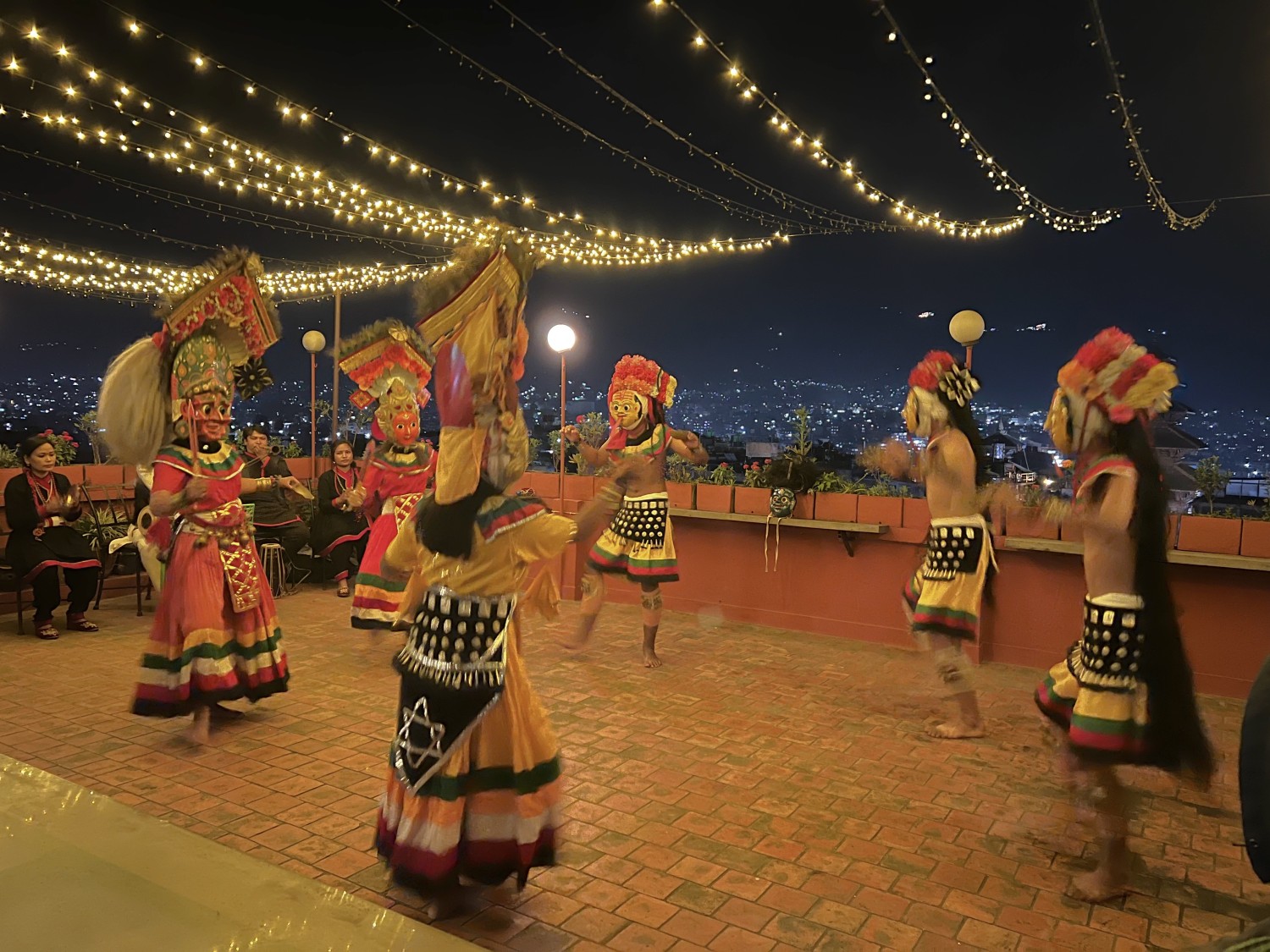
Tharu Cultural Dance show is a vibrant and captivating experience that showcases the rich traditions and heritage of the Tharu community, indigenous to the Terai region of Nepal. This cultural performance is a must-see for visitors to Chitwan National Park, offering an immersive glimpse into the lives and stories of the Tharu people, Performances feature various traditional dances, each narrating stories of Tharu life, mythology, and historical events.
Stick Dance (Danda Nach): A high-energy performance with dancers rhythmically striking sticks to represent unity and strength.
Mayur Nach (Peacock Dance): Dancers imitate the movements of peacocks, symbolizing grace and beauty.
Harvest Dance: Celebrates agricultural practices and the connection of the Tharu people to the land.
Traditional Music: Accompanied by traditional instruments like the madal (drum), bansuri (flute), and other percussion instruments. The music sets a lively and festive atmosphere, making the performances even more engaging.
Colorful Costumes: Performers wear traditional Tharu attire, which includes vibrant saris, embroidered blouses, and jewelry for women, and dhotis or traditional shirts for men. The costumes reflect the Tharu people's connection to nature and their artistic expression.
After the Tharu Culture program welcome to Dinner in Hotel and good sleep for next morning activities.
6 Days
Breakfast-Lunch-Dinner
Hotel
In the morning after your breakfast start your activities:
Jungle safaris in Chitwan National Park are among the most exciting and immersive activities for visitors to this UNESCO World Heritage Site. They offer an incredible opportunity to experience Nepal's diverse wildlife and pristine natural environment.
Jeep Safari or Elephant Safari: Explore the park guided by experienced naturalists into the wildlife like one-horned rhinoceroses, Bengal tigers, deer, wild boars, and sloth bears.
Tharu village is a rewarding experience that provides a glimpse into the unique culture, traditions, and daily lives of the Tharu people, the indigenous inhabitants of the Terai region. Here's everything you need to know about visiting and immersing yourself in their way of life.
Elephant Breeding Center is a unique attraction that offers visitors an opportunity to learn about the care, conservation, and breeding of elephants. Situated near Sauraha, this center plays a vital role in protecting the population of Asian elephants in Nepal while educating the public about their importance.
6 Days
Breakfast
Hotel
Early morning Hot tea/coffee and explore to.
Canoe rides on the Rapti River in Chitwan National Park are a serene and exciting way to explore the park’s waterways while observing its unique flora and fauna. These rides offer an intimate encounter with nature, providing an excellent opportunity to spot crocodiles, birds, and other wildlife. Rapti River is a most popular route, running along the northern boundary of Chitwan National Park of Wildlife Spotting see marsh mugger crocodiles, gharials (fish-eating crocodiles), and aquatic birds up close.
Birdwatching is a paradise for enthusiasts, offering the chance to observe over 500 bird species in their natural habitat. Whether you're a seasoned ornithologist or a casual nature lover, the park's diverse ecosystems make it one of the best birdwatching destinations in Nepal.
Jungle walks in Chitwan National Park are an exhilarating way to explore the park’s rich biodiversity and unique ecosystem. These walks offer a deeper, more intimate experience with the park's flora and fauna compared to jeep safaris or canoe rides, allowing you to immerse yourself in the sights, sounds, and smells of the jungle.
After that back to Hotel and breakfast check out from Hotel and Drive to Lumibini
100% Response Rate


9 Days
USD 920 750


© 2011 - 2024 All rights reserved.Alliance Adventure Pvt. Ltd. Developed By : Xenatech Nepal

