

| S.N | Mode | Route | Elev.(m) | Duration | Overnight | Included |
|---|---|---|---|---|---|---|
| 1 | Flight | Arrival Kathmandu Tribhuvan Int'l Airport - Tranfer Hotel | 1300 | Hotel | Dinner | |
| 2 | Tour | Chandragiri Cable Car - Dakshinkali Temple - Kritipur - Pashupatinath (Aarti) | 5/6 Hours | Hotel | Breakfast | |
| 3 | Tour | Mountain Flight - Budhanilkantha Temple - Changu Narayan - Bhaktapur Durbar Square | 5/6 Hours | Hotel | Breakfast | |
| 4 | Tour | Bhaktapure Durbar Square - Shiva Statue - Panauti Village | 5/6 Hours | Home-Stay | Breakfast | |
| 5 | Tour | Panauti Village - Bungmati - Khokana - Patan Durbar Square - Thamel | 6/7 Hours | Hotel | Breakfast | |
| 6 | Tour | Buddhanath Stupa - Sowyambhunath - Kathmandu Durbar Square - Farewell Dinner | 5/6 Hours | Hotel | Breakfast-Dinner | |
| 7 | Flight | Departure - Kathmandu Tribhuvan Int'l Airport - Own Your Destination | Breakfast |
Embark on the Kathmandu World Heritage Tour and uncover the timeless charm of Nepal's vibrant capital. This immersive journey takes you to UNESCO-listed landmarks, including the ancient Durbar Squares, the sacred Swayambhunath Stupa (Monkey Temple), Pashupatinath Temple, and the serene Boudhanath Stupa. Each site offers a glimpse into Kathmandu's rich history, artistic grandeur, and deep spiritual significance. Whether marveling at intricate woodwork, observing cultural rituals, or soaking in panoramic views of the valley, this tour promises an unforgettable experience. Perfect for history enthusiasts and culture lovers, it's your gateway to the heart of Nepal's heritage.
This tour is a perfect mix of cultural exploration and historical discovery, offering a profound connection to Nepal’s heritage.
 7 Days
1300 m.
7 Days
1300 m.
 Dinner
 Hotel
Hotel
Welcome! Upon your arrival at Kathmandu Tribhuvan International Airport, you'll be greeted warmly by our representative holding a sign with your name for easy identification. You'll be welcomed with a traditional Nepali culture by flower garland as a gesture of good will and blessing.
Our friendly team will assist you with your luggage and ensure a smooth transfer to your hotel in the heart of Kathmandu. Along the way, you'll get a glimpse of the city's vibrant streets, bustling with energy and charm.
Once at your hotel, you'll be helped with the check-in process. Afterward, you can relax and enjoy a refreshing welcome drink as you settle into the serene ambiance of your accommodation.
Before check in your room Alliance adventure will brief you about your Hindu Pilgrimage Tour with offering you nepali tranditional Dinner
7 Days
Breakfast
Hotel
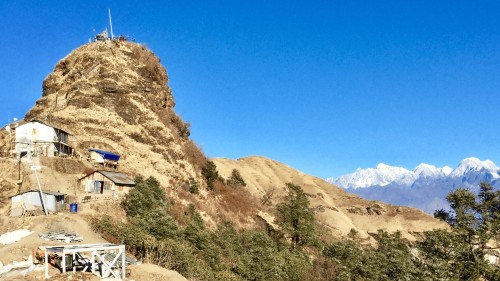
Chandragiri Cable Car (2,551m/8,370ft), is a popular tourist attraction in Nepal that connects the Kathmandu Valley to the hilltop of Chandragiri Hill. It is renowned for offering breathtaking views of the Himalayan mountain range and the Kathmandu Valley. The Chandragiri Hill is historically important as it is believed to be the location where King Prithvi Narayan Shah envisioned the unification of Nepal while looking over the Kathmandu Valley. The hilltop is home to the Baleshwar Mahadev Temple, a sacred Hindu shrine dedicated to Lord Shiva. It attracts many devotees and spiritual visitors and top of Chandragiri Hill enjoy panoramic views of prominent Himalayan peaks, including Mt. Everest, Ganesh Himal, and Langtang.
Dakshinkali Temple is one of the most revered Hindu temples in Nepal, dedicated to the goddess Kali, a fierce and powerful form of the goddess Durga. Located about 22 kilometers south of Kathmandu, the temple holds great religious and cultural significance. The temple is dedicated to Dakshinkali, a manifestation of Kali, who is worshipped as the goddess of power and destruction. She is considered a protector and grantor of wishes. The temple features traditional Nepalese architecture, with intricate carvings and statues depicting Hindu mythology. The temple is particularly crowded during Dashain and Navaratri, two major Hindu festivals dedicated to goddess worship, and Saturday, Tuesday are considered auspicious days for worship, attracting thousands of devotees.
Kirtipur Temple, a historic town in the Kathmandu Valley of Nepal, is rich in culture, architecture, and history. It’s a perfect blend of Newari heritage, ancient temples, and breathtaking views.
Bagh Bhairab Temple: Dedicated to Bagh Bhairab, a fearsome deity, this temple is one of the oldest and most important in Kirtipur. Its intricate wood carvings and statues make it a must-see for history and art lovers.
Pashupatinath Temple (5km east of Kathmandu), Pashupatinath is the Hindus holy pilgrims, most impotent Hindu Temple in Nepal and all over from India. Bathing at occasionally, funeral pyres burning on the Ghats and Stands on the banks of Bagmati River.The temple was listed in the UNESCO World Heritage Monument list in 1979 AD.
The Aarti Puja around 6:30PM – 7:00PM every evening and lasts for about an hour.
-----------------------------(It’s recommended to go early to secure a good spot)--------------------
The Aarti Puja at the Pashupatinath Temple in Kathmandu is a mesmerizing spiritual experience and one of the most significant evening rituals in Nepal. It takes place daily on the banks of the sacred Bagmati River, near the temple's main ghats, and draws both devotees and visitors for its profound religious atmosphere and vibrant energy.
Aarti is a Hindu ritual of worship where light (usually from oil lamps) is offered to deities, accompanied by singing devotional songs, chanting mantras, and playing traditional instruments, the Aarti is performed to honor Lord Shiva, the temple's principal deity.
7 Days
Breakfast
Hotel
Mountain flights are one of the most popular and exhilarating ways to experience the majestic Himalayan range in Nepal, including a close-up view of Mount Everest, the world's highest peak. These flights cater to tourists who may not have the time, physical ability, or inclination for trekking but still want to witness the breathtaking beauty of the Himalayas. A mountain flight is a short scenic flight, typically lasting 45 minutes to an hour.
Budhanilkantha Temple, is a sacred Hindu site and one of the most important temples dedicated to Lord Vishnu. It is renowned for its iconic reclining statue of Vishnu, submerged in a sacred pond. The name Budhanilkantha translates to "Old Blue Throat," which has often led to confusion about whether the deity represented is Vishnu or Shiva. However, the reclining position and the symbols (chakra, conch, mace, lotus) firmly identify the statue as Vishnu. The "blue throat" reference likely stems from the association of the deity's appearance with the legend of Samudra Manthan (Churning of the Ocean), where both Vishnu and Shiva played crucial roles. The temple is a major site for Vaishnavites (followers of Vishnu) and is visited by devotees from across Nepal and India.
Changu Narayan Temple is one of the oldest and most revered temples in the country. Dedicated to Lord Vishnu, it is an important religious, cultural, and historical site. This UNESCO World Heritage Site is celebrated for its ancient architecture, intricate carvings, and rich history, making it a treasure trove of Nepalese art and heritage. The temple is believed to have been originally built around the 4th century CE, making it one of the oldest temples in Nepal. It was constructed during the Lichhavi period, under King Manadeva, as evidenced by an inscription dated 464 CE found at the site. This inscription is one of the oldest written records in Nepal.
7 Days
Breakfast
Home-Stay
Bhaktapur Durbar Square is one of the three royal palace complexes in the Kathmandu Valley, renowned for its rich history, exquisite art, and well-preserved architecture. Located in Bhaktapur, approximately 13 kilometers east of Kathmandu, the square served as the royal seat of the Malla kings, who ruled Bhaktapur from the 12th to the 18th century. This UNESCO World Heritage Site is often regarded as an open-air museum, showcasing the pinnacle of Newar craftsmanship and culture.
Pottery Square, in Bhaktapur is a vibrant hub of traditional pottery making, where centuries-old craftsmanship continues to thrive. Known locally as "Kumal Tol", it is one of Bhaktapur's most iconic cultural attractions, offering visitors a glimpse into the city's rich artistic heritage and the daily life of local potters.
Kailashnath Mahadev Shiva Temple in Sanga, border of Bhaktapur and Kavre districts, is home to one of the tallest statues of Lord Shiva in the world. This iconic temple has become a major pilgrimage site and a popular tourist attraction in Nepal. The statue stands at a towering height of (143ft/44meters).
7 Days
Breakfast
Hotel
Bungmati and Khokana are two culturally and historically significant villages in the Kathmandu Valley of Nepal, known for their traditional Newar culture, ancient architecture, and association with Nepal's religious and artisanal heritage, on the banks of the Bagmati River.
Bungmati is believed to be one of the oldest settlements in the Kathmandu Valley, with roots dating back to the 6th century. It is often referred to as the birthplace of Rato Machhindranath, one of the most revered deities in Nepal, worshipped as the god of rain and agriculture by both Hindus and Buddhists. Its traditional woodcarving and sculpture, a craft passed down through generations of Newar artisans.
Khokana Village, is next Bungmati, is another ancient village with a history dating back centuries. It is believed to have been established during the medieval period and has a unique identity within the Newar community. The village is associated with the goddess Rudrayani (a form of Durga), and the Rudrayani Temple is a central religious site. Khokana has long been famous for its traditional mustard oil production. The village's ancient oil presses, operated using traditional wooden machinery, have been preserved and are a point of pride for its residents. The Deopokhari Festival, which involves a symbolic goat sacrifice in a pond, is one such example.
Patan Durbar Square is one of the most significant historical and cultural landmarks in Nepal, located in the city of Lalitpur, south of Kathmandu. Recognized as a UNESCO World Heritage Site, it reflects the architectural brilliance and rich history of the Kathmandu Valley. The Patan early historically referred to as Lalitpur ("City of Beauty"), is believed to be one of the oldest cities in Nepal. The city traces its roots back to the Kirata dynasty (3rd century BCE) and was later expanded and flourished under the Lichhavi dynasty (4th–9th century CE). Patan durbar square has long been a melting pot of Hinduism and Buddhism. Temples dedicated to Hindu deities like Krishna and Vishnu coexist with Buddhist stupas and viharas, reflecting the city's spiritual harmony. The square saw its zenith during the Malla period, especially under the rule of King Siddhi Narsingh Malla, King Srinivasa Malla, and their successors. They commissioned many of the temples, palaces, and courtyards that define the square today. The palace complex, known as Patan Durbar, served as the residence of the Malla kings. It features intricately carved wooden windows, doors, and decorative elements.
After Patan transfer to Hotel in Thamel and Rest/Easy explore in Thamel.
7 Days
Breakfast-Dinner
Hotel
Boudhanath Stupa, also known as the Buddha Eye Stupa, is one of the largest and most significant Buddhist stupas in Nepal. It is a UNESCO World Heritage Site and a major pilgrimage destination for Tibetan Buddhists. The stupa’s rich history, religious importance, and architectural grandeur make it a symbol of Nepal's cultural and spiritual heritage.
Swayambhunath Stupa, often referred to as the Monkey Temple, is one of the most iconic and sacred religious sites in Nepal. Located atop a hill in the western part of Kathmandu, it holds immense significance for both Buddhists and Hindus. This UNESCO World Heritage Site is known for its ancient architecture, spiritual ambiance, and stunning views of the Kathmandu Valley. Swayambhunath is believed to date back to at least the 5th century CE, making it one of the oldest religious sites in Nepal. According to legend, the Kathmandu Valley was once a vast lake, and a lotus grew from its center. The stupa marks the spot where the lotus settled after the water drained, with "Swayambhu" meaning "self-created" or "self-existent." The stupa is tied to the legend of Manjushri, a bodhisattva who drained the lake by cutting a gorge at Chobar with his sword, making the valley habitable. The site exemplifies the syncretism of Hinduism and Buddhism in Nepal, with Hindu deities like Saraswati and Shiva worshipped alongside Buddhist figures.
Kathmandu Durbar Square, also known as Hanuman Dhoka Durbar Square, is one of the most significant historical and cultural landmarks in Nepal. Located in the heart of Kathmandu, it served as the royal palace complex for Nepal's Malla and Shah kings. This UNESCO World Heritage Site is celebrated for its ancient architecture, artistic heritage, and spiritual significance. The square was the royal seat of the Malla kings of Kathmandu from the 12th to the 18th century. After the unification of Nepal, the Shah kings used the palace for ceremonial purposes. The name "Hanuman Dhoka" comes from the statue of Hanuman, the monkey god, installed at the palace entrance in 1672 by King Pratap Malla.
Kumari Ghar (House of the Living Goddess): This is the residence of the Kumari, the living goddess of Kathmandu. The Kumari is a young girl selected from the Newar community and revered as the incarnation of the goddess Taleju. Visitors can see the Kumari during special public appearances from her palace's intricately carved wooden balcony.
After this pleasant Hindu Pilgrimage Tour, Alliance Adventure offer you Nepali typical culture dinner.
7 Days
Breakfast
Departure to Kathmandu Tribhuvan Int'l Airport after a wonderful Kathmandu Hindu Pilgrimage Tour. Today is last day in Nepal and last minutes shopping for family's, frineds, packing and Alliance Adventure departure to the airport for your onward destination to your country.
One of the holiest Hindu temples dedicated to Lord Shiva
Located on the banks of the sacred Bagmati River
Famous for its evening Aarti (prayer ceremony) and cremation ghats
A powerful Shakti Peeth, associated with Goddess Parvati
Located near Pashupatinath Temple
Significant for tantric rituals and Hindu devotees
Houses a massive reclining statue of Lord Vishnu on a bed of serpents
A sacred site for Vaishnav devotees
Only Hindus are allowed to worship closely
Dedicated to Goddess Kali, a fierce form of Goddess Durga
Located 22 km from Kathmandu, in a serene forested area
Known for animal sacrifices and Saturday/Sunday rituals
A mix of Hindu and Buddhist influences
Features a shrine of Harati Mata (Hindu Goddess of smallpox and children)
Offers panoramic views of Kathmandu Valley
Home to the living goddess Kumari, a revered figure in Hinduism
Located in Kathmandu Durbar Square
Witness traditional rituals and cultural heritage
A beautiful temple dedicated to Lord Krishna, made of stone
Built in the 17th century by King Siddhi Narsingh Malla
An important pilgrimage site during Krishna Janmashtami
Kathmandu, Nepal, is a spiritually rich destination with deep Hindu traditions, ancient temples, and sacred sites. A Hindu pilgrimage tour in Kathmandu offers a unique opportunity for devotion, cultural exploration, and spiritual awakening.
One of the most important Shiva temples in the world.
A UNESCO World Heritage Site, visited by millions of devotees.
Experience special Aarti (prayer rituals) and Hindu cremation rites.
Kathmandu is known as the "City of Temples" with a rich Hindu legacy
Participate in pujas, bhajans, and meditation at powerful temples
Witness age-old rituals, traditions, and festivals
Visit Guhyeshwari Temple, one of the Shakti Peethas
Explore Dakshinkali Temple, dedicated to Goddess Kali
Seek blessings from Goddess Kumari, the Living Goddess of Nepal
Doleshwor Mahadev Temple is believed to be the head part of Kedarnath (one of India’s Char Dham sites)
Many Hindu saints and yogis have meditated in Nepal’s holy sites
Jal Narayan Temple (Budhanilkantha) – A divine sleeping Vishnu statue
Changu Narayan Temple – One of the oldest Hindu temples in Nepal
Witness Dashain, Teej, and Janmashtami celebrations
Kathmandu beautifully blends Hinduism and Buddhism
Visit Swayambhunath Stupa (Monkey Temple) with Hindu goddess Harati Mata
Explore Patan Krishna Mandir, a masterpiece of Hindu architecture
Kathmandu is surrounded by Himalayan views, lush forests, and holy rivers
A chance to engage in yoga, meditation, and spiritual retreats
Discover hidden ashrams, sages, and spiritual centers
Maha Shivaratri at Pashupatinath (grand celebrations & yogis gathering)
Teej Festival (Women’s fasting & devotion to Lord Shiva)
Dashain & Tihar (Diwali) – The biggest Hindu festivals in Nepal
Janakpur (Ram-Janaki Temple) – Birthplace of Goddess Sita
Muktinath Temple (Shaligram Vishnu Temple) – Moksha-dham in the Himalayas
Manakamana Temple – Famous wish-fulfilling goddess temple
Nepal is a budget-friendly spiritual destination
Hassle-free visa process for Indian devotees
Warm hospitality & availability of satvik (pure vegetarian) food
Hindu pilgrimage tour in Kathmandu is more than just a visit—it's a soulful journey that deepens faith, provides inner peace, and connects pilgrims to centuries-old Hindu traditions.

100% Response Rate

9 Days
USD 1300 1099

7 Days
USD 715 550

7 Days
USD 715 595


© 2011 - 2024 All rights reserved.Alliance Adventure Pvt. Ltd. Developed By : Xenatech Nepal

