
| S.N | Mode | Route | Elev.(m) | Duration | Overnight | Included |
|---|---|---|---|---|---|---|
| 1 | Flight | Arrival Kathmandu Tribhuvan Int'l Airport - Tranfer Hotel - Briefing Your Tours | 1300 | Hotel | Dinner | |
| 2 | Tours | Drive Birds Watching - National Botanical Garden (Godawari) - Patan Durbar Square | 5/6 Hours | Breakfast | ||
| 3 | Tours | Sundarijal - Shivapuri Nagarjun National Park - Bouddhanath Stupa Tours | 5/6 Hours | Breakfast | ||
| 4 | Tours | Shivapuri Nagarjun National Park - Bird Watching - Kathmandu Durbar Square | 5/6 Hours | Breakfast | ||
| 5 | Drive | Kathmndu - Pirthivi High-Way - Mugling Bazaar - Chitwan National Park | 5/6 Hours | Resort | Breakfast-Lunch-Dinner | |
| 6 | Explore | Jungle Safari - Jeep Safari - Bird Watching - Tharu Village | 4/5 Hours | Breakfast-Lunch-Dinner | ||
| 7 | Tours | Bird Watching – Chitwan National Park - Explore Local Cultures | 4/5 Hours | Breakfast-Lunch-Dinner | ||
| 8 | Drive | Chitwan National Park - Mugling Bazaar - Kathmandu - Farewell Dinner | 1300 | 5/6 Hours | Hotel | Breakfast-Dinner |
| 9 | Flight | Departure - Kathmandu Tribhuvan Int'l Airport - Own Your Destination | Breakfast |
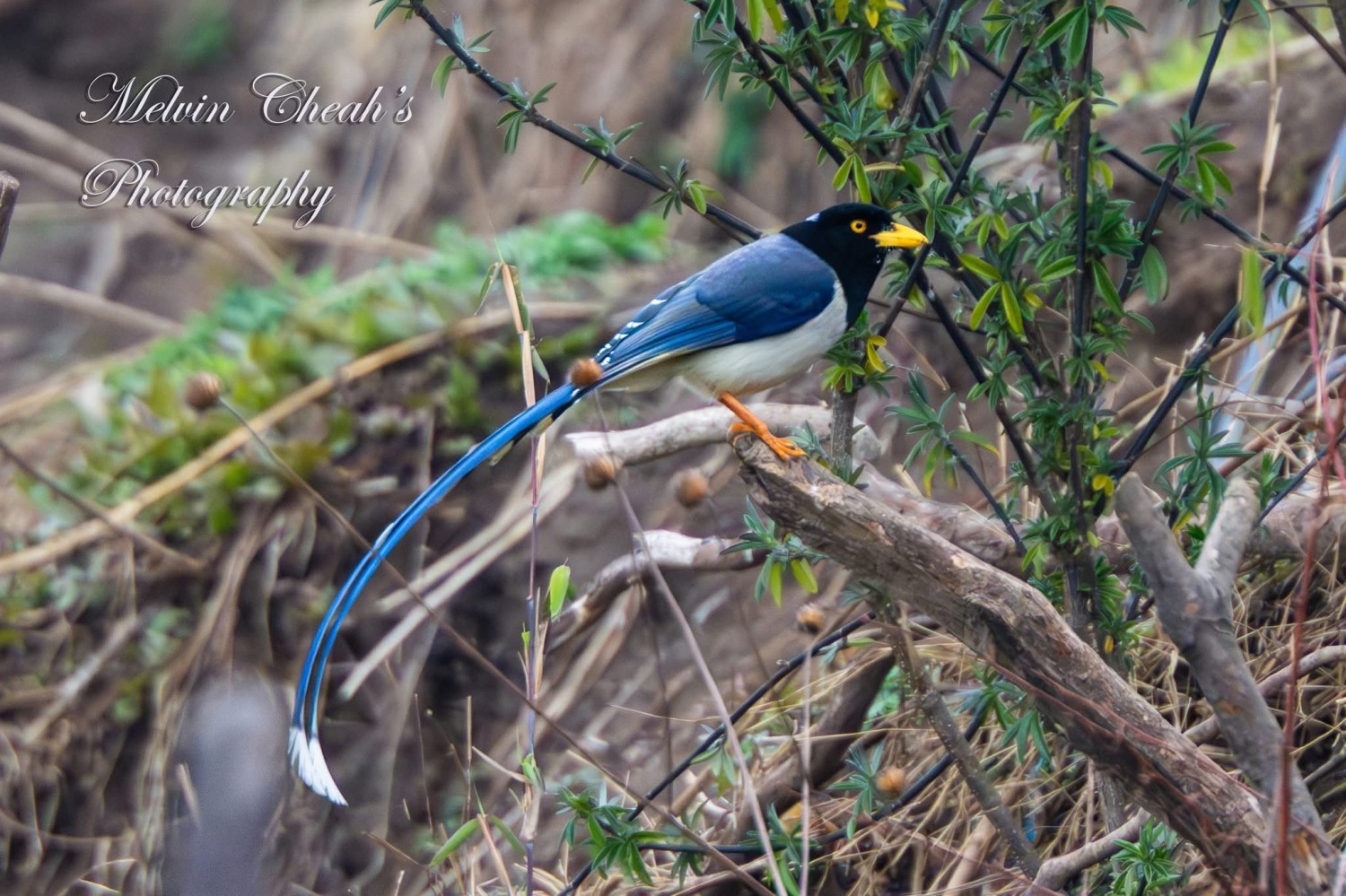
The Bird watching in Nepal is a dream come true for bird enthusiasts! The country, with its diverse geography ranging from lowland jungles to the high Himalayas, is home to over 890 species of birds — nearly 9% of the world's bird species.
Why Nepal is a Birdwatching Paradise?
Diverse Habitats: From the subtropical Terai plains to alpine regions, Nepal has forests, wetlands, rivers, and grasslands, each supporting unique birdlife.
Migration Route: Nepal lies on a major migratory flyway between Siberia and India, so you can spot both resident and migratory species.
Protected Areas: National parks and conservation areas like Chitwan, Bardia, Koshi Tappu, and Langtang are rich in avian biodiversity.
Top Birdwatching Locations
1. Koshi Tappu Wildlife Reserve (Eastern Terai)
2. Chitwan National Park
3. Phulchowki Hill (near Kathmandu)
4. Shivapuri-Nagarjun National Park
5. Bardia National Park
6. Pokhara and Surrounding Hills
 9 Days
1300 m.
9 Days
1300 m.
 Dinner
 Hotel
Hotel
Welcome! Upon your arrival at Kathmandu Tribhuvan International Airport, you'll be greeted warmly by our representative holding a sign with your name for easy identification. You'll be welcomed with a traditional Nepali culture by flower garland as a gesture of good will and blessing.
Our friendly team will assist you with your luggage and ensure a smooth transfer to your hotel in the heart of Kathmandu. Along the way, you'll get a glimpse of the city's vibrant streets, bustling with energy and charm.
Once at your hotel, you'll be helped with the check-in process. Afterward, you can relax and enjoy a refreshing welcome drink as you settle into the serene ambiance of your accommodation.
Before check in your room Alliance adventure will brief you about your Birds Watching Tours and activites with offering you nepali tranditional Dinner
9 Days
Breakfast
Breakfast in Hotel Drive Southeast of Kathmandu (12km), this lush sanctuary offers a rich blend of flora and fauna, making it an ideal spot for both amateur and seasoned birders. The garden and its surrounding areas are home to over 100 bird species, including some that are rare and endemic to Nepal.
While birdwatching can be enjoyed year-round, the autumn (September to November) and spring (March to May) seasons are particularly rewarding due to increased bird activity and favorable weather conditions.
Patan Durbar Square is one of the most significant historical and cultural landmarks in Nepal, located in the city of Lalitpur, south of Kathmandu. Recognized as a UNESCO World Heritage Site, it reflects the architectural brilliance and rich history of the Kathmandu Valley. The Patan early historically referred to as Lalitpur ("City of Beauty"), is believed to be one of the oldest cities in Nepal. The city traces its roots back to the Kirata dynasty (3rd century BCE) and was later expanded and flourished under the Lichhavi dynasty (4th–9th century CE). Patan durbar square has long been a melting pot of Hinduism and Buddhism. Temples dedicated to Hindu deities like Krishna and Vishnu coexist with Buddhist stupas and viharas, reflecting the city's spiritual harmony. The square saw its zenith during the Malla period, especially under the rule of King Siddhi Narsingh Malla, King Srinivasa Malla, and their successors. They commissioned many of the temples, palaces, and courtyards that define the square today. The palace complex, known as Patan Durbar, served as the residence of the Malla kings. It features intricately carved wooden windows, doors, and decorative elements.
9 Days
Breakfast
The drive northeastern edge of Kathmandu, is a prime destination for birdwatching enthusiasts. Situated within the Shivapuri-Nagarjun National Park, this area boasts a rich diversity of bird species.
The Sundarijal offers a serene environment with its cascading waterfalls, lush forests, and the Bagmati River's headwaters. The combination of these natural features creates ideal conditions for birdwatching. The best times to visit are during the early mornings and late afternoons when bird activity is at its peak.
Boudhanath Stupa, also known as the Buddha Eye Stupa, is one of the largest and most significant Buddhist stupas in Nepal. It is a UNESCO World Heritage Site and a major pilgrimage destination for Tibetan Buddhists. The stupa’s rich history, religious importance, and architectural grandeur make it a symbol of Nepal's cultural and spiritual heritage.
9 Days
Breakfast
Drive to Shivapuri Nagarjun National Park for an early-morning bird-watching experience, enjoying the peaceful forest, fresh mountain air, and diverse Himalayan bird species. Afterward, drive back to Kathmandu and explore Kathmandu Durbar Square, a UNESCO World Heritage Site featuring ancient palaces, temples, courtyards, and traditional Newari architecture.
9 Days
Breakfast-Lunch-Dinner
Resort
The driving through scenic road towards Chitwan National Park, passing through beautiful hills, rivers, terraced fields, and traditional villages. Upon arrival, check in at the hotel and enjoy some leisure time. In the evening, experience a Tharu cultural program and explore the local surroundings.
9 Days
Breakfast-Lunch-Dinner
In the morning after your breakfast start your activities:
Jungle safaris in Chitwan National Park are among the most exciting and immersive activities for visitors to this UNESCO World Heritage Site. They offer an incredible opportunity to experience Nepal's diverse wildlife and pristine natural environment.
Jeep Safari: Explore the park guided by experienced naturalists into the wildlife like one-horned rhinoceroses, Bengal tigers, deer, wild boars, and sloth bears.
Tharu village is a rewarding experience that provides a glimpse into the unique culture, traditions, and daily lives of the Tharu people, the indigenous inhabitants of the Terai region. Here's everything you need to know about visiting and immersing yourself in their way of life.
Elephant Breeding Center is a unique attraction that offers visitors an opportunity to learn about the care, conservation, and breeding of elephants. Situated near Sauraha, this center plays a vital role in protecting the population of Asian elephants in Nepal while educating the public about their importance.
9 Days
Breakfast-Lunch-Dinner
Enjoy an early-morning bird-watching tour in Chitwan National Park, exploring peaceful forests, grasslands, and riverbanks. Discover a wide variety of colorful and rare bird species with an experienced naturalist, while enjoying the beautiful wildlife and natural surroundings.
9 Days
1300 m.
Breakfast-Dinner
Hotel
After breakfast, drive back from Chitwan National Park to Kathmandu, enjoying scenic views of hills, rivers, villages, and countryside along the way. Upon arrival in Kathmandu, check in and relax. In the evening, enjoy a special farewell dinner with a traditional Nepali cultural performance, celebrating the memorable journey through Nepal.
9 Days
Breakfast
Departure to Kathmandu Tribhuvan Int'l Airport after a wonderful Nepal Buddhsim Pilgrimage Tours. Today is last day in Nepal and last minutes shopping for family's, frineds, packing and Alliance Adventure departure to the airport for your onward destination to your country.
The Chepang Hill Trek is a cultural and scenic trek in the mid-hills of Nepal. It offers visitors a chance to explore traditional Chepang villages, breathtaking landscapes, and wildlife near Chitwan National Park.
The trek is considered moderate in difficulty. It involves a few days of walking through hilly terrain with steady ascents and descents, suitable for trekkers with basic fitness levels.
The ideal time for trekking in Chepang Hill is during the spring (March to May) and autumn (September to November) when the weather is clear and pleasant for trekking.
The trek usually takes around 7-9 days, including travel time from Kathmandu to the trek start point and exploring Chitwan National Park.
Essential items include trekking boots, warm clothing, a waterproof jacket, sunscreen, a hat, and personal toiletries. A good-quality sleeping bag and backpack are also recommended.
Accommodation during the trek is provided in local home-stays and tents, offering a chance to experience the hospitality of the Chepang people and their unique culture.
The package includes transportation, accommodation, meals, trekking permits, a guide and porter, and activities such as a Chitwan National Park safari.
Yes, you will need a TIMS (Trekking Information Management System) card and a special permit for Chitwan National Park, which is included in your trekking package.
Yes, if you have additional time, you can extend your trip by exploring nearby areas like the Ganesh Himal region or other parts of Chitwan National Park.
Yes, it is highly recommended to have travel insurance that covers trekking, high-altitude sickness, and emergency evacuation in case of unforeseen situations.

100% Response Rate




© 2011 - 2024 All rights reserved.Alliance Adventure Pvt. Ltd. Developed By : Xenatech Nepal

